


Vegetable Tanned Leather
The Heritage of Vegetable Tanned Leather
A Craft Refined Over Millennia
Vegetable tanning is the world's oldest and most respected method of transforming raw hides into enduring, beautiful leather. Dating back over 5,000 years to ancient Mesopotamian and Mediterranean artisans, this process bypasses modern synthetic chemicals entirely in favor of natural botanical extracts.
While over 90% of global leather today is mass-produced in hours using toxic chromium salts, authentic vegetable-tanned leather demands patience, tradition, and up to 60 days of intensive artisan processing inside historic wooden vats.
The Science: How Botanical Tanning Works
The defining characteristic of veg-tan leather lies in its reliance on tannins—naturally occurring polyphenolic compounds found in tree bark, leaves, roots, and fruits.
Extraction
Tannins are harvested from natural botanical sources such as Chestnut (Castanea sativa), Quebracho (Schinopsis), and Mimosa (Acacia).
Pit-Tanning
Raw hides are suspended in a series of wooden vats with progressively stronger concentrations of natural tannin solutions.
Slow Stabilization
Over weeks, the tannins bind to the collagen proteins within the hide, naturally preserving the fibers, displacing water, and imparting exceptional structural density.
Fatliquoring
Hides are conditioned with natural oils and waxes to yield supple flexibility, rich hand-feel, and deep aniline color penetration.
World-Renowned Tanneries & Leather Types
Not all vegetable-tanned leathers are created equal. We source premium hides from centuries-old European tanneries that specialize in distinct tannage styles:
Smooth & Aniline Finished
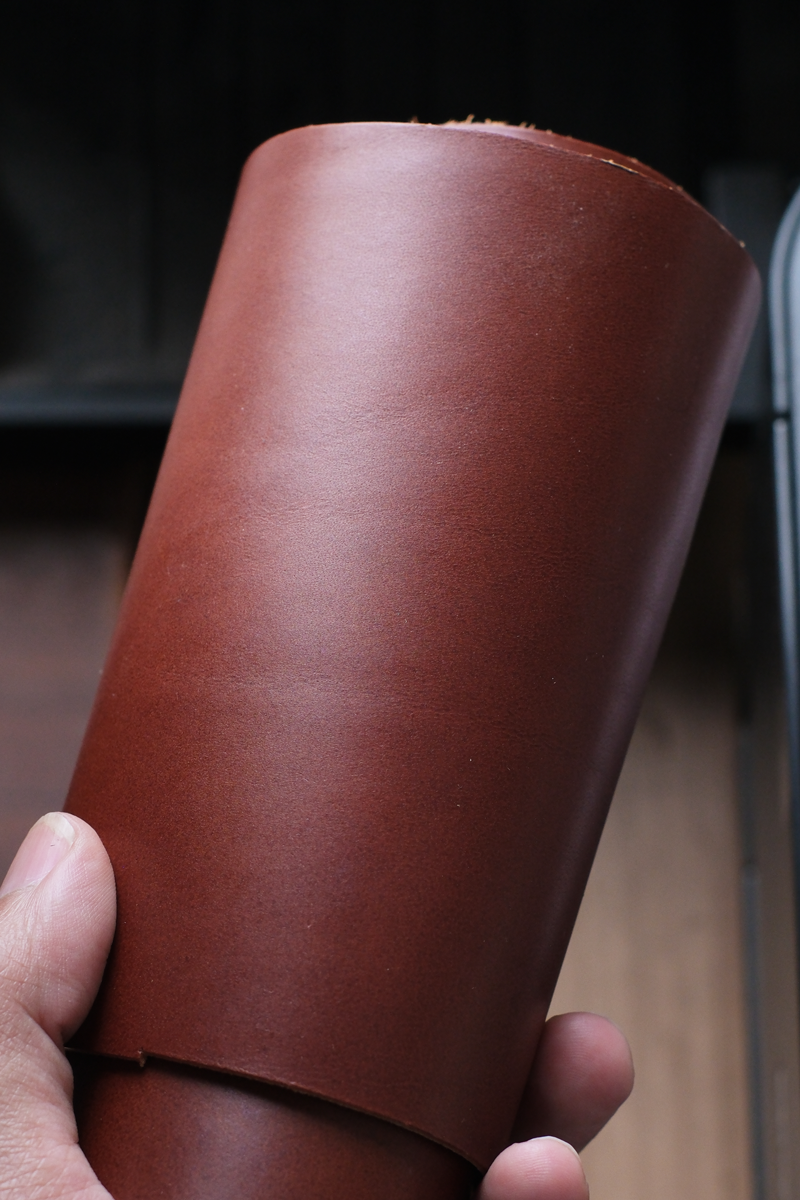
These leathers feature a smooth, tight grain with a clean, uniform surface finish. They showcase the pure depth of aniline dyeing without heavy surface textures or artificial distressing.
We source from domestic tannery in Java Island and global tannery like Conceria Walpier from Italy or Wickett & Craig from USA. Conceria Walpier is member of Consorzio Vera Pelle Italiana Conciata al Vegetale which means the leather is labelled with Pelle al Vegetale.
This narrates the leather is originally sourced from historical leather disctric, Tuscany and guarantee that the hide was produced using centuries-old Italian artisanal techniques rather than mass-produced offshore.
Hot-Stuffed & Fatliquored
These leathers are heavily infused with natural oils, tallow, and waxes deep inside the collagen fibers during the tanning process (a method known as "hot-stuffing" or intensive fatliquoring).
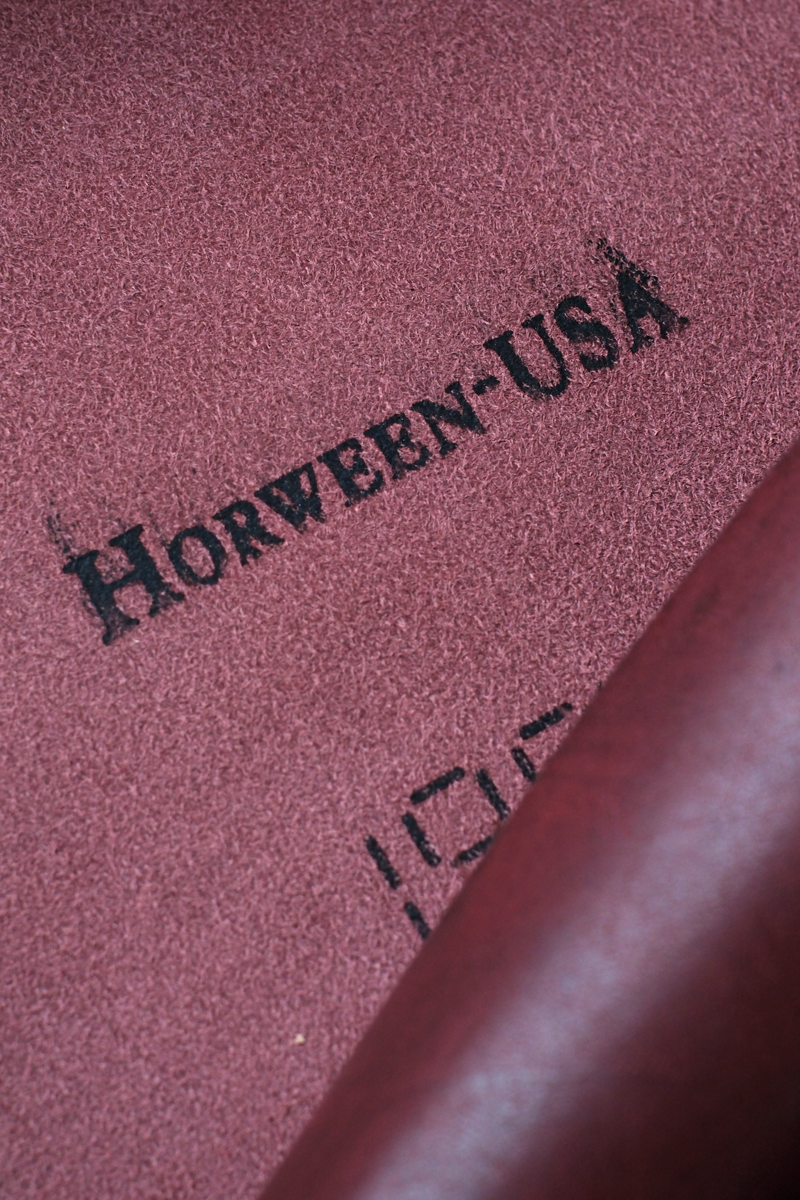
We source from Horween Leather Co, one of the oldest, most prestigious continuously operating tanneries in the United States founded in 1905. Horween produce many articles of leather and we choose Horween Dublin, the pure vegetable tanned leather which infuse with organic oil to offer extra soft and pull-up effect.
Used by giant brands, this Horween leather is famously known by the beautiful patina development when the leather is aging.
Surface-Articulated & Textured
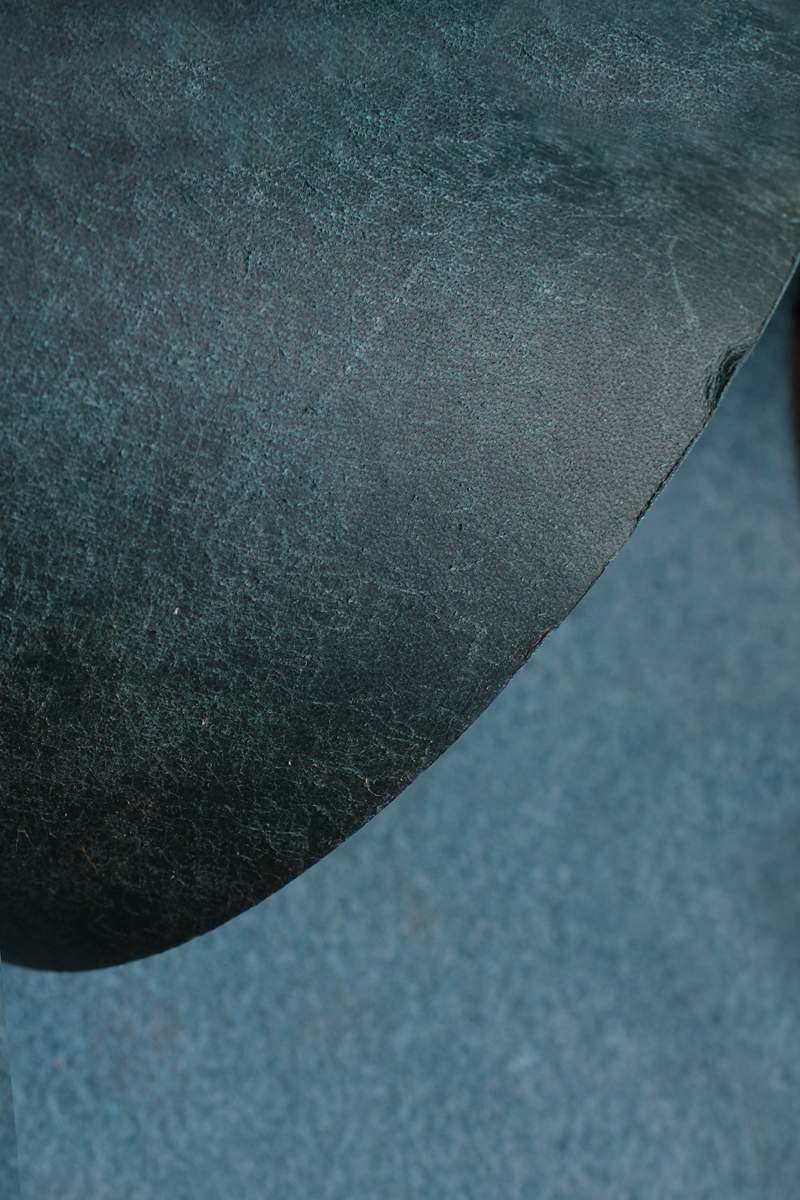
Leathers in this category undergo specialized mechanical or hand-finishing techniques—such as scraping, brushing, or abrading—to create distinctive visual textures and tactile surface effects.
One of the leather we use source from Italy. Derived from Conceria Badalassi Carlo, the leather has matte or velvety initial finish, rustic visual character, and dramatic transformation as daily friction buffs the textured surface into a smooth, present shiny patina.
The tannery is also member of Consorzio Vera Pelle Italiana Conciata al Vegetale. There is an undeniable scent of luxury in true vegetable-tanned leather, particularly hides stamped with the prestigious seal of the Consorzio Vera Pelle.
How to Care for Your Veg-Tan Leather
To properly care for vegetable-tanned leather, keep it away from direct heat and prolonged submersion in water to prevent fiber stiffness, wiping off any accidental spills immediately with a clean, dry microfiber cloth. Every 3 to 6 months—or whenever the surface begins to feel dry—apply a light, even layer of specialized wax using small circular motions with a soft cloth or barely hand, allowing it to penetrate the open grain for an hour before gently buffing off the excess to restore its natural moisture and rich luster.